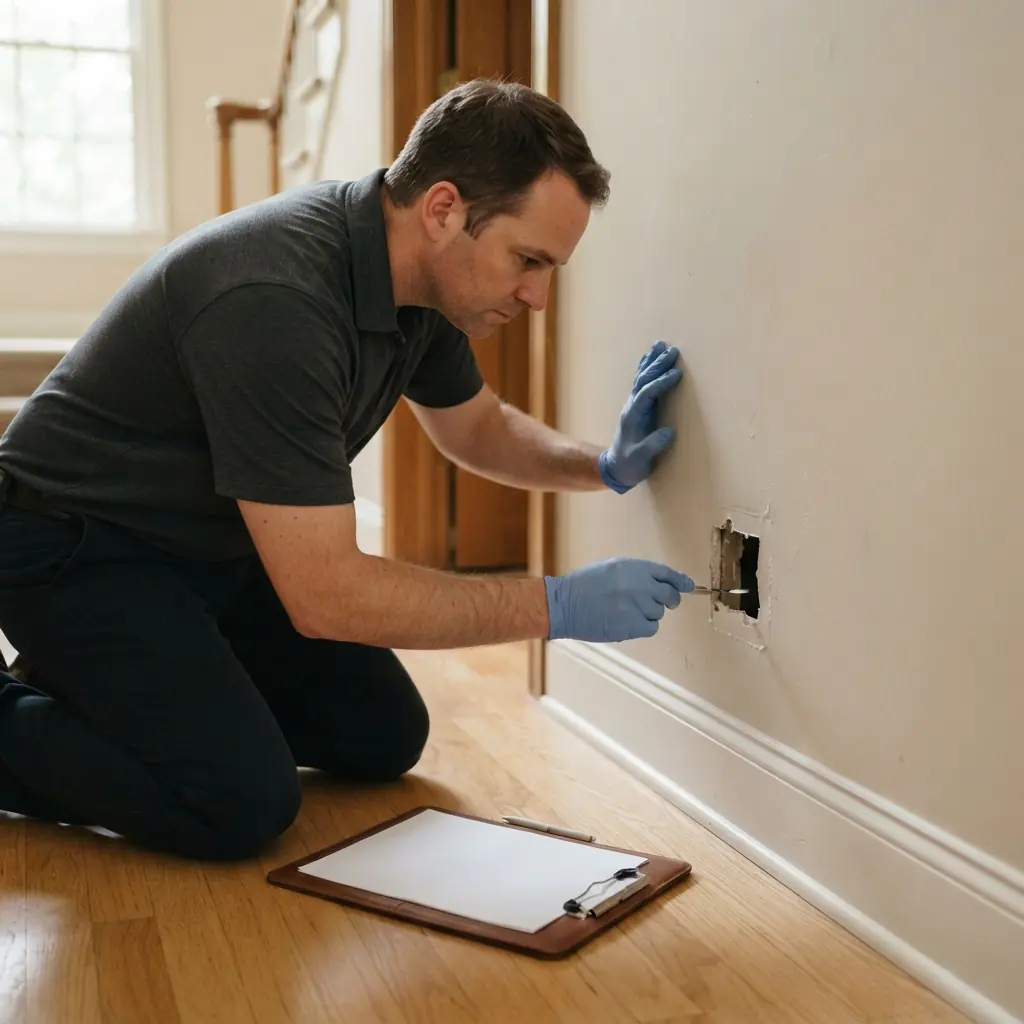
Most mold problems are obvious enough that removal is the next step. But sometimes you cannot see anything and the house smells off, or a big quote makes you want a second opinion.
That is when testing before removal earns its keep.
What testing can and cannot do
Testing can confirm whether mold is present and, in some cases, what types. It can show whether indoor air differs from outdoor air. Combined with moisture readings and a visual check, it points to where the problem is.
It cannot tell you exactly how much mold is in the walls or predict health effects. Results are one piece of information, not a verdict.
Why independence matters
If the company that tests also sells the removal, they have a reason to find a bigger problem. That does not mean they are dishonest, only that you may want a second opinion.
An independent tester writes the report and does not do the removal. The report can then go to any crew you choose to compare quotes.
Using the report
A useful report lists what was checked, where, what was found and what the tester recommends. Ask for photos and moisture readings, not just lab results.
Give the report to the removal crews and ask them to quote the same scope. That makes the quotes much easier to compare.
When you do not need it
If the mold is visible and the cause is clear, testing may add cost without changing the plan. Find out whether it makes sense for your case.
Give us your town and a line about the problem, and a local crew who serves it takes it from there.
Frequently Asked Questions
Do I need testing if I can see mold?
Usually not. Visible growth means removal, and testing rarely changes the plan. Testing is more useful when you smell mold but cannot find it, when you disagree with a diagnosis, or when you want a baseline before and after work.
How do I know a tester is truly independent?
Ask whether they also do removal or have any relationship with removal companies. An inspector who only inspects is the clearest case. You can also ask whether they will share the report freely with any crew you choose.
What does a testing visit involve?
The inspector walks the home, takes moisture readings, looks at suspect areas and may collect air or surface samples for a lab. They write a report afterward. Ask what will be sampled, how many samples, and how the results will be explained.