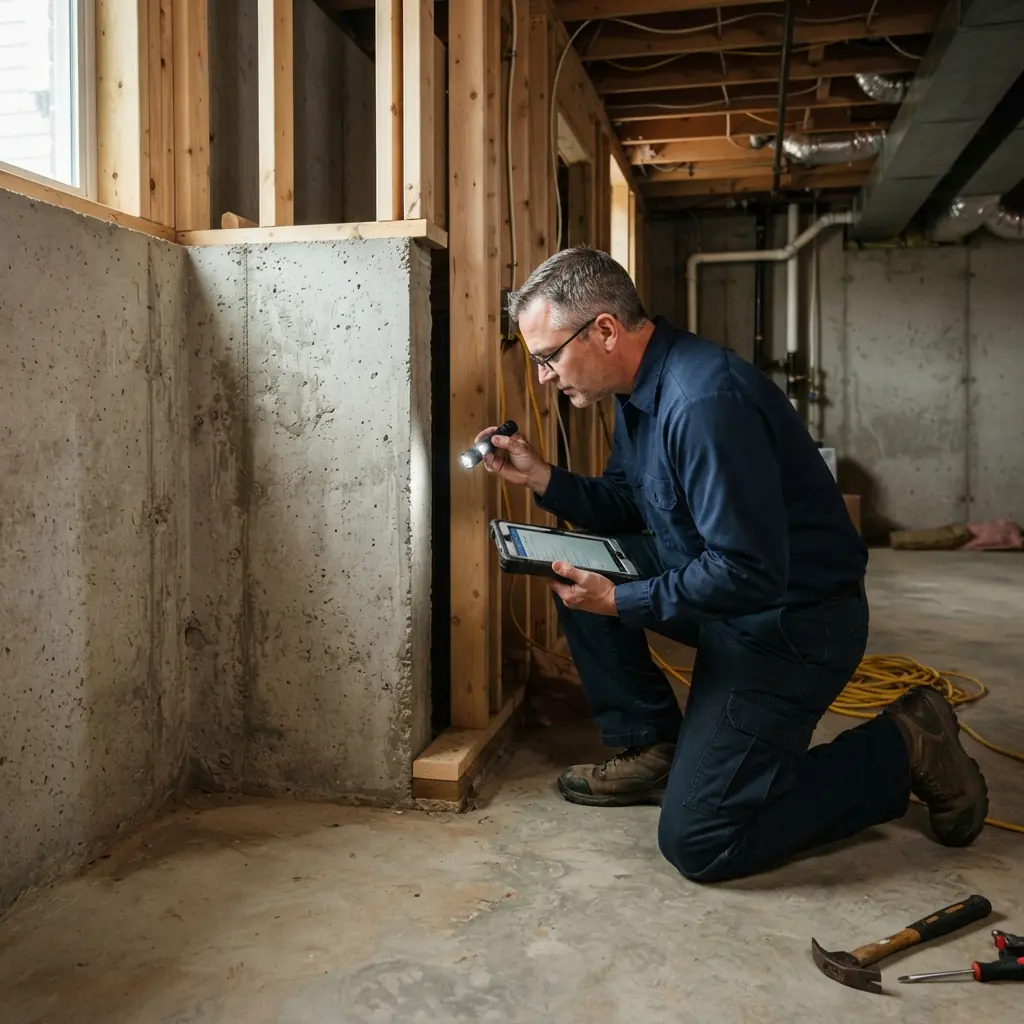
A general home inspection looks at the whole house. It does not always go deep on mold. If something about the house makes you hesitate, a separate mold inspection gives you something concrete to negotiate with.
Here is when it pays off and what a good report contains.
When it is worth the extra step
Consider it if you notice a musty smell, stained ceilings, fresh paint in odd places, or a basement or crawl space that feels damp. A home with a past leak or flood is another good reason.
You do not need one for every sale. But if a problem turns up after closing, the cost lands on you, and finding it before is usually cheaper than finding it after.
What the inspector checks
The inspector looks at visible growth, takes moisture readings in suspect spots, and checks the usual trouble areas: the basement or crawl space, attic, bathrooms and around windows. They may sample the air or surfaces and send them to a lab.
The report should say where they looked, what they found, and what they recommend. Ask for photos and moisture readings, not just a summary.
Using the results
If the inspection finds mold, you have choices. You can ask the seller to have it removed by a crew before closing, negotiate the price, or walk away, depending on your contract and timeline.
Talk to your agent or attorney about deadlines, because inspection windows are short. A crew can also estimate the removal scope so you know what you are negotiating over.
Timing matters
Inspection periods in a purchase contract do not last long. If you want a mold inspection, line it up early.
Send us your address and your closing timeline, and we will pass the request to a local crew that serves Sandy Springs and nearby towns.
Frequently Asked Questions
Is a mold inspection different from a home inspection?
Yes. A general home inspection covers the structure and systems and may note signs of moisture. A mold inspection focuses on moisture and mold, with meter readings and sometimes lab samples. Many buyers add it when the house shows warning signs or has a history of water problems.
What if the seller will not allow a mold inspection?
That is a red flag, but check your contract and talk to your agent or attorney. Some contracts allow inspections during a set window, and refusing may affect your options. You can ask for access in writing or reconsider the purchase.
Can I use the report to negotiate?
Yes, many buyers do. A written report with photos and readings supports a request for repairs, removal before closing or a price adjustment. Ask your agent how to present it, and keep the report even if you buy as is, since it is a baseline for later.