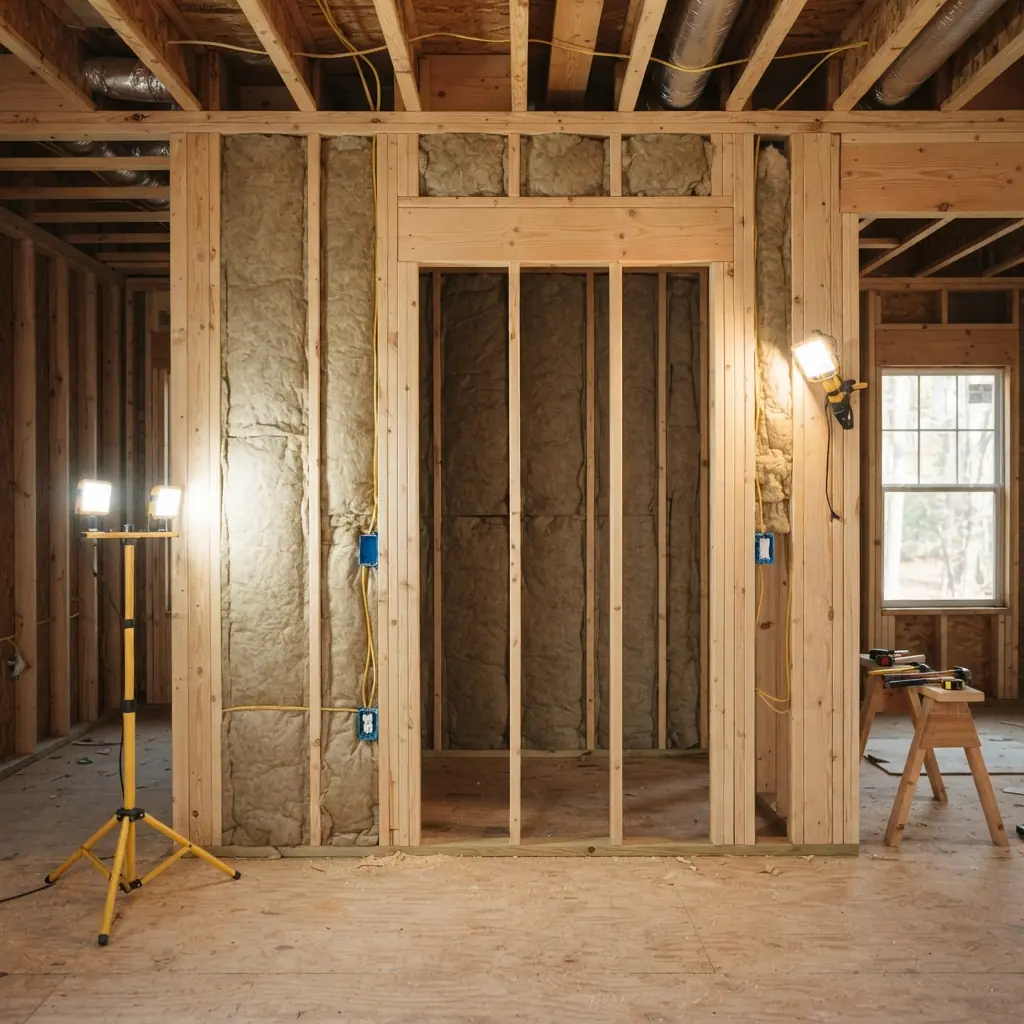
Removal leaves bare studs, missing flooring and a lot of dust. Putting the house back together is a different job, often with different people.
This page explains how the handoff works, so the gap between the two does not catch you off guard.
Removal and rebuild are different trades
Mold crews focus on containment, removal, cleaning and drying. Rebuilding is carpentry, drywall, flooring and paint.
Some companies handle both. Many do not. Neither way is wrong, but you should know which you are getting and have each part priced and scheduled.
Confirming the area is ready
Before anyone closes up walls or lays floors, the area should be dry and clean. Ask for moisture readings and, if you want extra assurance, for clearance testing by a separate inspector.
A rebuild over damp materials is how mold returns. Waiting a bit longer for a clear reading protects the work that comes next.
Keeping the project organized
Write down the order of work and who does each step. Keep photos of the bare walls before they are closed. Ask each contractor for a written scope.
If your insurer is involved, check what documentation they need for repairs. We do not handle claims, but your insurer can tell you what to keep.
Before you hire the rebuild
Ask the mold crew whether they have contractors they work with, and ask for the price of the rebuild in writing, separate from the removal.
Send us your address, and we will pass the request to a local crew that serves your area.
Frequently Asked Questions
Who rebuilds after mold removal?
It depends on the crew. Some include rebuilding, others hand it to a general contractor or specialty trades. Ask who does it, what is included and how it is priced. Either way, make sure the area is confirmed dry and clear before work starts.
Can I do the repairs myself?
If you have the skills, you may, once the area is clean, dry and confirmed ready. Skipping the readiness check is the risk. Have the crew confirm moisture levels before you close up walls, so your work is not built on a damp surface.
How do I know the repair will not grow mold again?
Start with the moisture source being fixed and the area being dry. After that, normal ventilation and humidity control help. Find out what caused the mold and what they recommend, so you can watch the spot afterward.