Removal gets rid of the mold you have. It does nothing about the mold you will have next summer if the house stays damp.
This page covers how removal and prevention fit together, and the small habits that tend to make the difference.
Start with the water
Every recurring mold problem has a water story. A slow drip under a sink, a gutter pouring beside the foundation, a window that sweats all winter. Find it and fix it, and the mold has nothing to grow on.
If a crew offers to remove mold but never asks where the water is coming from, treat that as a gap in the quote.
Humidity and airflow
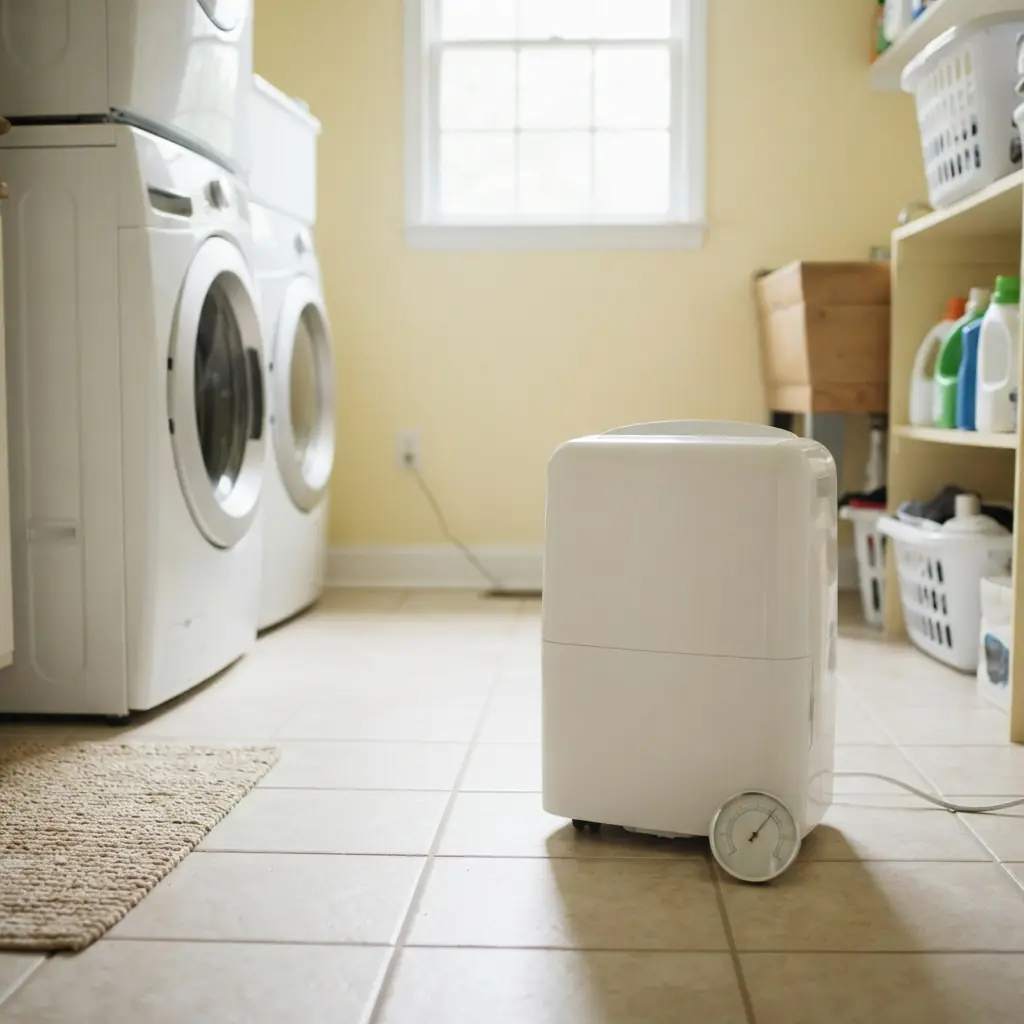
Georgia summers are humid, and a house that stays closed up with the air conditioning running can still hold damp pockets. Bathroom and kitchen fans that vent outside help. So does a dehumidifier in a basement or laundry area.
A small humidity gauge is cheap and tells you what the air is doing. Many people aim to keep indoor humidity comfortably low rather than guessing by smell.
Checks that catch it early
After a heavy storm, look at basement walls, window sills and the ceilings below the roof. After a leak, check again a few days later when materials have had time to show staining or odor.
If you see growth again, do not scrub it away and move on. A repeat patch means the cause is still there. Call the crew back and ask them to look at the source.
Planning the whole job
When you ask for an estimate, ask what the crew recommends to keep the problem from returning. Some of that will be their work, and some will belong to a plumber, a roofer or an HVAC contractor.
We can pass your request along to a local crew that serves your town.
Frequently Asked Questions
Can mold be prevented completely?
Not completely, since spores are in the air everywhere. What you can do is keep moisture from lingering, because mold needs damp conditions to grow. Fixing leaks, ventilating wet rooms and drying spills promptly lowers the odds a lot. A crew can point out spots in your house that are likely to stay damp.
Do I need a dehumidifier?
It depends on the space. Basements, crawl spaces and closed-up laundry rooms that stay damp often benefit from one. Check with a humidity gauge before buying. If humidity stays high despite ventilation, find out whether a dehumidifier makes sense in that area.
Does removal include prevention?
Removal handles the growth and the affected materials. Prevention usually means fixing the moisture source, which may be a separate trade such as plumbing or roofing. Ask the crew exactly what their quote covers, and who handles the cause of the moisture.