By July, a lot of Sandy Springs houses have been cooled and closed up for weeks, and the air outside is as wet as the air inside. That is when mold gets going.
These are the habits that tend to keep it from starting.
Know your humidity
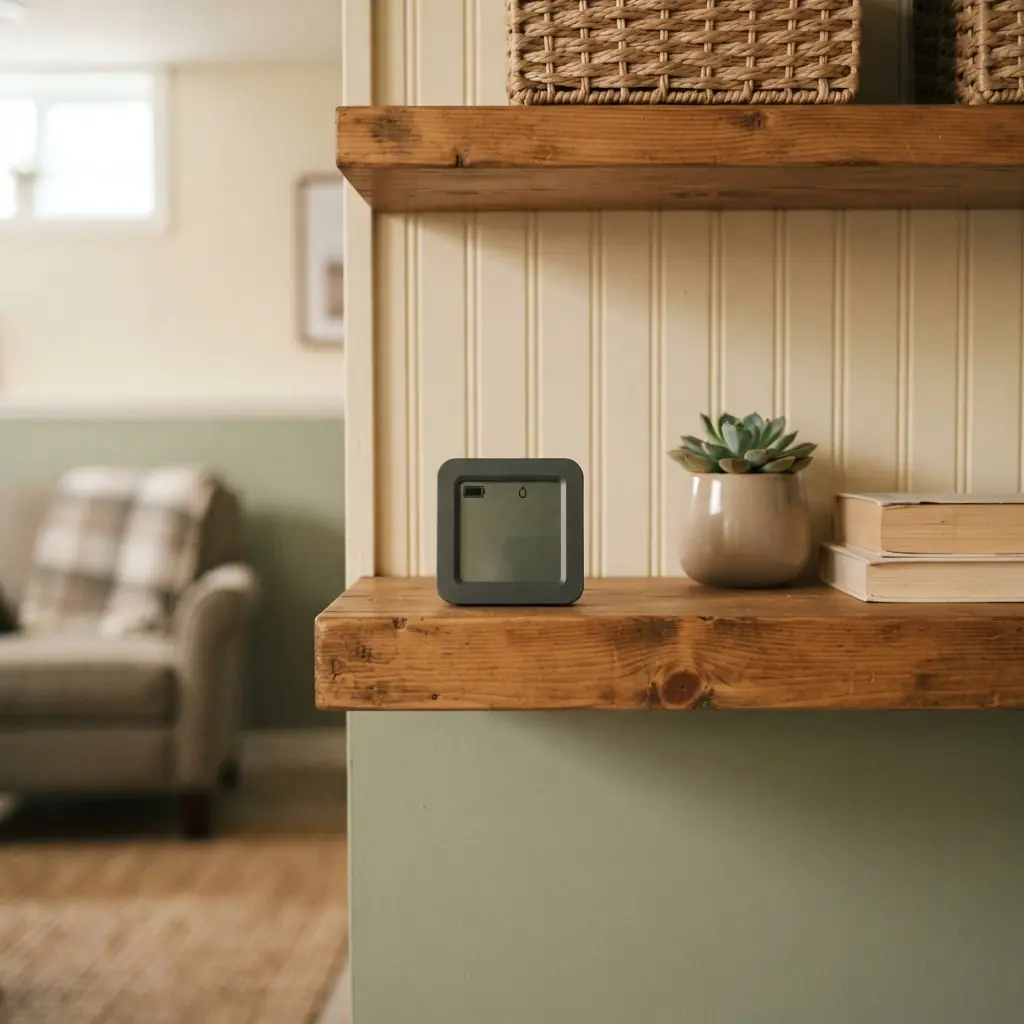
A small humidity gauge costs very little and shows you what the air is doing. If a room stays damp even with the air conditioning running, that is a spot to watch.
Basements and laundry rooms often run damper than upstairs. Knowing the number lets you decide whether a dehumidifier is worth buying.
Ventilate where moisture starts
Showers, cooking and laundry put water into the air. Fans that vent outside, not into an attic, carry it out of the house. Run them during use and for a while after.
Check that dryer vents are connected and not leaking into a wall or crawl space. Small gaps add up over a season.
Outside the walls
Gutters and downspouts should move water away from the foundation. Soil that slopes toward the house sends rain to where you do not want it.
After a big summer storm, look at basement walls, window wells and the ceilings below the roof. A damp patch caught early is a much smaller problem.
When prevention is not enough
If you already see growth, or a musty smell will not go away, you are past prevention. Send us a note about where it is and we will pass it to a local crew that serves your area.
They will look for the cause before talking about removal.
Frequently Asked Questions
What humidity level should I aim for?
Many people aim for indoor humidity that feels comfortable and stays out of the damp range, and a gauge helps you track it. If readings stay high despite running the air conditioning, look for the cause. A crew can also tell you what level they suggest for your home.
Does air conditioning prevent mold?
It helps by pulling moisture out of the air, but it is not enough on its own. A clogged drain line, leaking ducts or a house that is too closed up can still leave damp spots. Ventilation, leak repair and drainage all matter too.
Is a dehumidifier worth it?
For a basement, crawl space or laundry area that stays damp, often yes. Choose one sized for the room and empty or drain it as directed. If the space is still damp with a dehumidifier running, there may be a leak or seepage to fix.