People are often surprised when mold returns a few months after a cleanup. They paid for removal, so why is it back?
Usually because removal cleared the growth and nothing changed about the damp. Here is how to follow through.
How do I keep mold from coming back after removal?
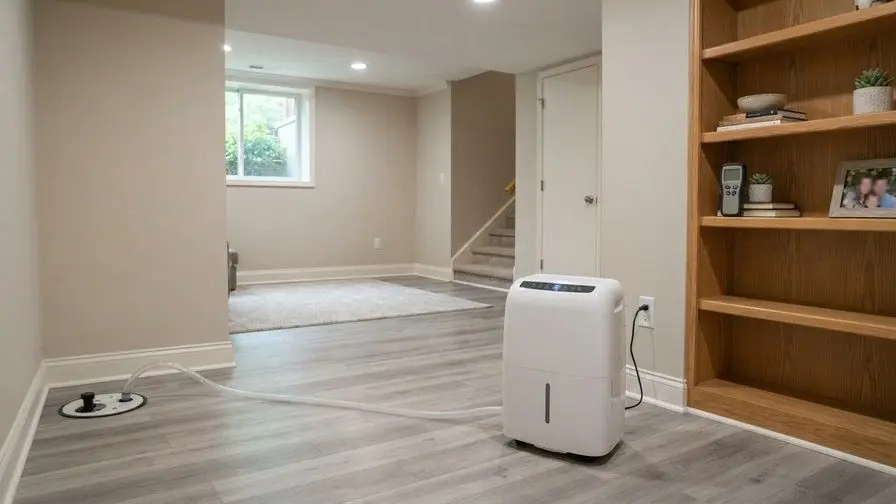
Keep the cause fixed and the house dry. Repair the leak or drainage problem that fed the mold, ventilate wet rooms, use a dehumidifier in damp spaces, and check known trouble spots after storms. If the same spot grows mold again, the cause is not fixed. We connect Sandy Springs homeowners with a local crew that looks at the source, not only the stain.
Confirm the cause was fixed
Before the job wraps up, find out what caused the mold and whether that has been dealt with. A leaking pipe, a gutter dumping water at the foundation, a bathroom fan that vents into the attic, a humid crawl space, all of them are repair jobs for other trades.
If nobody has told you what caused it, ask. If the cause is unknown, keep a closer eye on the spot.
Make the house less welcoming
Run exhaust fans in bathrooms and the kitchen. Keep furniture a little off exterior walls so air can move. In damp basements or laundry rooms, a dehumidifier can keep humidity down.
Sandy Springs summers are humid, and a house closed up with the air conditioning running still collects moisture in corners. A cheap humidity gauge shows what your rooms are actually doing.
Check back on a schedule
Look at the repaired area a few days after the next heavy rain, and again after a few weeks. Check for odor, staining, damp spots and bubbling paint.
Walk the usual trouble spots after storms: basement walls, window sills, ceilings under the roof and the area around the original problem. Catching it early keeps a small problem small.
What to do if it returns
If mold shows up again in the same spot, do not scrub and hope. Call the crew back, tell them what you saw, and ask them to look at the source.
If you need a new crew, send us your town and we will pass your request along.
Frequently Asked Questions
How long before I know the problem is fixed?
There is no set timeline. Watch the area over a few weeks and through at least one stretch of wet weather. If there is no odor, staining or new growth, that is a good sign. Moisture readings from the crew add confidence.
Is a dehumidifier always necessary?
No, only for spaces that stay damp. If humidity is normal after the cause is fixed, you may not need one. A gauge helps you decide, and a crew can tell you what they recommend for your particular space.
Does removal come with follow-up visits?
That depends on the crew. Some include a follow-up check, others do not. Ask before the job starts what is included, and whether there is any recheck if growth returns in the same area. Get the answer in writing.